
Healthy Cat Diet Tips For All Cat Breeds
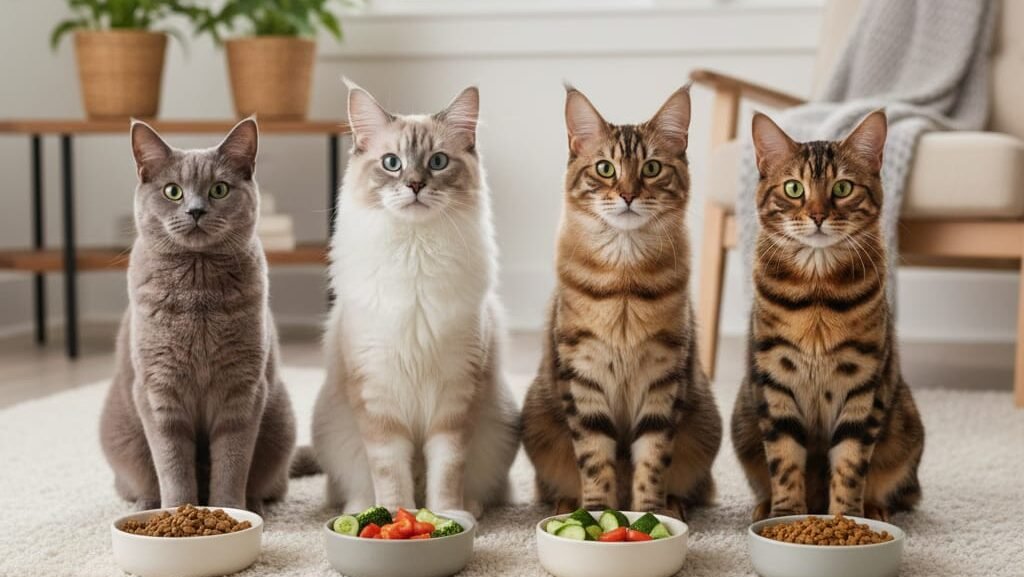
Taking care of your cats starts with understanding its unique dietary needs. Each cat breed requires specific nutrients to stay healthy, active, and happy. A balanced pet diet provides essential proteins, healthy fats, and vitamins that support growth, strong immunity, and a shiny coat.
This cat breeds nutrition guide will help you feed your cat the right food based on its age, activity level, and breed, keeping it energetic and healthy every day.
Why Breeds -Specific Diet Matters ?
Not every cat is the same, and their nutritional needs vary by breed. A breed-specific diet ensures that each cat receives the proteins, healthy fats, vitamins, and minerals appropriate for their size, activity level, and metabolism. Feeding a generic diet can sometimes lead to weight gain or loss, low energy, and coat problems. By understanding your cat’s breed-specific needs and choosing a diet tailored to them, we can maintain their overall health, immunity, and shiny coat. This proper pet diet keeps your cat energetic, active, and happy every day.
Key Nutrients For All Cats Breeds
1-Proteins :
Proteins are Important for cats health_ as they are essential for muscle mass, energy, and growth. Each cat breeds protein requirements vary, depending on their size, activity level, and metabolism. For example, active breeds like the Maine Coon need high-quality protein from chicken, fish, and eggs to maintain energy and strong muscles. Less or less active breeds may need slightly less protein to prevent weight gain.
Proteins keep the skin and coat healthy and shiny, and support strong immunity. A breed-specific protein-rich diet ensures your cat stays energetic, active, and healthy, enjoying a long life.
2-Healthy Fats :
Healthy fats are vital Role for a cats overall health, especially for maintaining their skin, coat, and energy. Omega-3 and Omega-6 fatty acids keep their coat shiny and soft, reduce skin dryness and shedding, and strengthen immunity. Different cat breeds require different amounts of fat—active and large breeds like Maine Coons need a little more healthy fat, while smaller breeds need controlled portions to maintain weight balance. A breed-specific diet can help provide your cat with the proper Omega-3, Omega-6, and essential fats to keep them energetic, playful, and healthy.
3-Vitamins &Minerals :
Vitamins and minerals are vital Important Role to every cat’s overall health and immunity. Calcium and phosphorus keep bones and teeth strong, zinc and selenium boost immunity, and vitamins A, D, E, and B-complex are important for metabolism and coat health. Each cat breed has different requirements, so a breed-specific diet ensures they get the exact nutrients they need. Proper vitamins and minerals keep cats active, healthy, and energetic, keeping their coat shiny and skin soft.
Feeding Guidelines For Cats Breeds
Keeping cats healthy, active, and energetic depends greatly on a proper feeding schedule and a balanced cat diet. A well-planned diet should always be adjusted according to a cats age Breeds, and activity level to ensure optimal nutrition and long-term health. Below are some simple yet essential feeding tips for cats:
Feed by Age: Kittens require small, frequent meals throughout the day to support growth and development, while adult cats benefit from two balanced meals per day to maintain energy and weight.
Breed-Specific Portions: Every cat breed has different nutritional needs. Adjust protein, fat, and calorie intake according to the breed to maintain healthy weight and energy levels.
Consistent Feeding Schedule: Feeding cats at the same time daily helps improve digestion, supports metabolism, and prevents overeating.
Proper Hydration: Always provide fresh and clean water to support kidney function, digestion, and overall cat health.
Monitor Weight and Health: Regular weight checks and veterinary visits help ensure that the cat diet plan is working effectively and meeting nutritional needs.
Common Feeding Mistakes
Mistakes are often made when feeding cats that can affect their health. Overfeeding can lead to obesity and low energy, while underfeeding can make cats weak and nutritionally deficient. Feeding a generic diet, or even the same food to every breed, is not good for their metabolism and growth. Proper portions, timing, and following a breed-specific diet keep cats healthy, active, and energetic.
1-Overfeeding Cats :
Feeding cats the wrong amount of food can have serious consequences for their health. Giving more than what is suitable for a cat’s breed, age, or activity level can quickly lead to overweight, increasing the risk of obesity, diabetes, and joint problems. Overfeeding can also disrupt energy levels and digestion, causing long-term health issues. By following breed-specific portions and providing a balanced diet, you ensure your cat stays healthy, active, and full of energy. Maintaining a consistent feeding routine also helps support strong immunity and proper growth.
2-Underfeeding Cats :
Underfeeding is equally harmful and often goes unnoticed. If cats don’t receive food that meets their nutritional needs, they become weak, low in energy, and nutritionally deficient. Kittens and active breeds must be provided with adequate protein, fats, and vitamins to grow and maintain their energy. Underfeeding weakens immunity, slows growth, and can dull the coat. A breed-specific and balanced diet ensures that cats remain energetic, healthy, and happy every day.
3-Ignoring Breeds -Specific Needs :
Ignoring a cats breed-specific nutritional requirements can have serious consequences for their overall health and well-being. Each breed has unique needs for proteins, healthy fats, vitamins, and minerals, and feeding all cats the same generic diet can result in weight gain, low energy, and coat or skin issues. Following a breed-specific diet ensures that every cat receives the precise nutrients it needs, supports strong immunity, promotes optimal growth, and helps maintain an active, healthy, and happy lifestyle.
Conclusion
Every cat breed has its own unique dietary needs, and proper nutrition is crucial for their health, energy, and overall happiness. Following a breed-specific diet helps maintain their growth, immunity, and shiny coat. A balanced combination of proteins, healthy fats, vitamins, and minerals keeps them active and playful. Avoiding overfeeding or underfeeding and following proper portions and a feeding routine are equally important. Choosing the right breed-specific diet for your cat will ensure they enjoy a healthy, energetic, and long life.