
What Human Food Can Dogs Eat? Safe Toxic Food Guide – Pets Diet
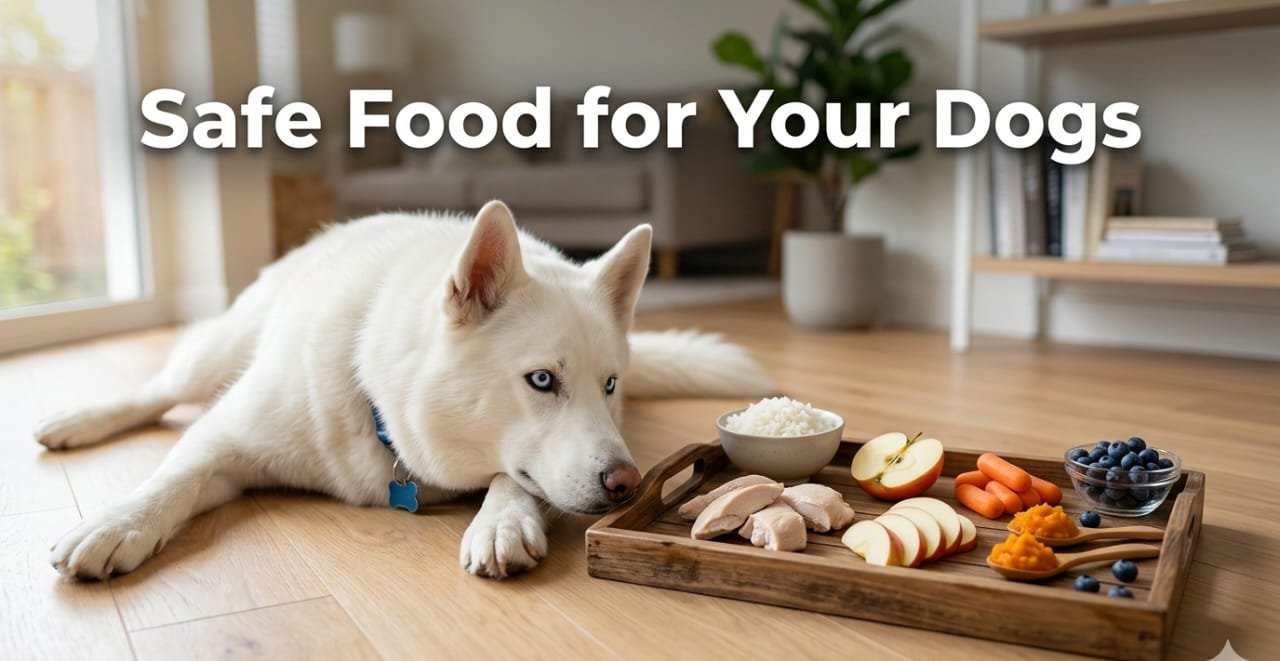
As a responsible pet owner, you probably find yourself asking, what human food can dogs eat without any health risks? While we love to share our snacks, feeding the wrong items can lead to serious complications like digestive distress, obesity, or even fatal toxicity. This guide is designed to clarify exactly what human food can dogs eat, highlighting safe daily treats and dangerous ingredients you must avoid. By mastering the list of what human food can dogs eat, you can provide a balanced, nutritious diet that boosts your dog’s immunity, keeps their energy high, and ensures they stay happy and active for years to come.”
Safe Human Foods for Dogs Diet – Daily Options
It’s important to include nutritious and safe human foods in your dog’s diet. These foods help keep dogs healthy and active:
Rice – Easy to digest and gentle on your pet’s stomach, ideal for sensitive digestion.
Boiled Chicken – High-quality protein source that supports muscle growth; use fat-free portions.
Eggs – Nutritious protein option; serve boiled or scrambled without oil or seasoning.
Carrots – Rich in fiber and essential vitamins that support healthy digestion and immunity.
Apples – Provide antioxidants and vitamins; always remove seeds before feeding.
Bananas – Healthy treat in small portions, offering potassium and digestive fiber.
Yogurt – Plain and unsweetened yogurt contains probiotics that improve gut health and digestion.
What Foods Can Dogs Not Eat? – Toxic Foods
A Common Concern For Pet Parents, what human food can dogs eat safely and what items should be Completely Off -Limits. While sharing snacks is common, giving your dog the wrong human foods can be very Detrimental to Their Well Being. Some foods like chocolate, grapes, onions, garlic, and xylitol should absolutely not be included in a dog’s pet diet as they can cause serious illness. To maintain a safe lifestyle, it is vital to Differentiate between healthy treats and toxic ones. By understanding exactly what human food can dogs eat and avoiding dangerous ingredients, you can give your dog a long and active life. Our guide helps you master the list of what human food can dogs eat to ensure they get the best nutrition every day.”
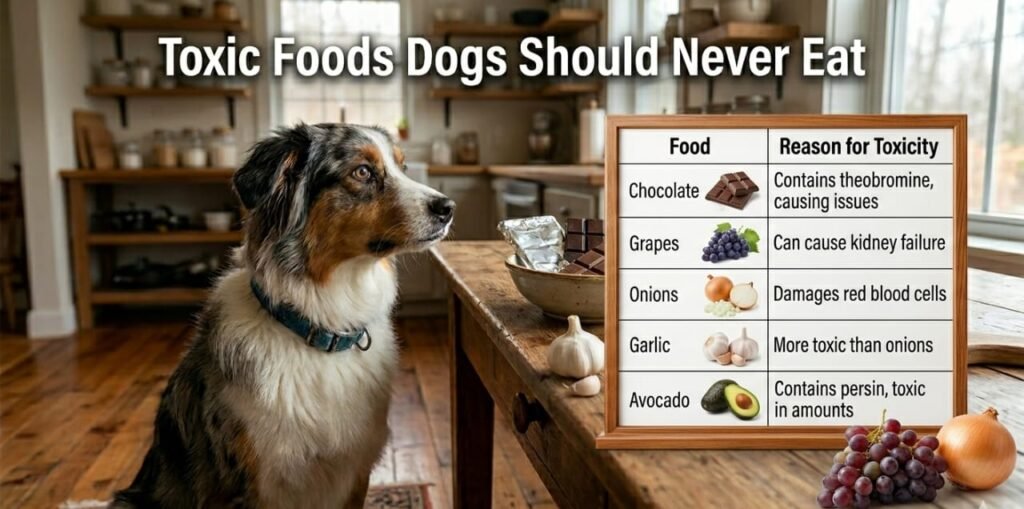
Chocolate – Contains theobromine, which is toxic and can cause seizures, vomiting, and heart problems.
Grapes & Raisins – Can trigger kidney failure even in small amounts.
Onion & Garlic – Can damage red blood cells and lead to anemia.
Avocado – Contains persin, which is harmful in large quantities.
Alcohol – Extremely toxic; even small amounts can cause poisoning.
Xylitol (Chewing Gum & Sweets) – Can cause a dangerous drop in blood sugar (hypoglycemia) and liver failure.
How Much Human Food Should Dogs Eat?
It’s not enough to simply know what human food can dogs eat safely; it’s also important to understand the appropriate quantities. Even safe foods can affect a dog’s health if given in excess. A basic rule of a balanced pet diet is that human food should only be used as a supplement, not a main meal replacement. Overfeeding can lead to weight gain, digestive problems, and nutritional imbalances, so maintaining portion control while learning what human food can dogs eat is crucial.”
Portion Guidelines :
Human food should make up only 10% of your dog’s total daily pet diet.
The remaining 90% should consist of high-quality dog food or a properly planned homemade dog meal.
Always introduce new foods in small quantities to monitor any reactions.
Avoid fried, oily, salty, or spicy foods.
Adjust portion sizes according to your dog’s age, breed, weight, and activity level.
Make sure to count treats as part of your dog’s total daily calorie intake.
Why Portion Control Matters ?
Safe human foods serve as a healthy treat if you follow a controlled and structured pet diet. However, giving too much human food without planning can lead to long-term health issues. Consistency and balance are key factors in a healthy dog lifestyle.
What Is the 3-3-3 Rule for Dogs? – Pet Diet Adjustment Guide
If you’ve recently adopted a new dog, it’s crucial to understand the 3-3-3 rule, especially when establishing its routine and pet diet. This rule explains how long it takes for a dog to adjust to a new home, new people, and a new feeding schedule. During this adjustment period, it’s crucial to maintain a stable and balanced pet diet to keep your dog physically and emotionally healthy.
1-First 3 Days – Stabilization Phase Gentle Pet Diet :
The first three days after moving into a new home are the most crucial for a dog. During this phase, he may feel nervous, quiet, or a little stressed, so stability and patience are crucial. A dog’s pet diet should be simple and easily digestible—such as boiled chicken, rice, or light meals—to keep his digestion and energy balance stable
Avoid sudden food changes and introducing new treats, as these can increase stress and digestive issues. This phase is the foundation for the dog to gradually adjust to his environment and routine, and a proper pet diet is essential for his health and comfort.
2-First 3 Weeks – Routine Building Balanced Pet Diet :
The first 3 weeks are a gradual adjustment phase for the dog. During this time, it becomes familiar with its new environment and feeding schedule. Consistency and a proper pet diet are very important to keep the dog’s digestion, energy, and overall health stable. When introducing new foods, start with small portions and follow a balanced pet diet with high-quality dog food. During this phase, a structured routine and stable meals build the dog’s confidence and trust.
1- Establish consistent meal times and stick to a balanced pet diet.
2- Introduce new foods gradually in small quantities to monitor tolerance and digestion
3- First 3 Months – Long-Term Pet Diet Behavioral Stability :
The first three months are a period of complete adjustment and stability for the dog. During this phase, the dog becomes completely comfortable, understands routines, and builds trust. Now you can follow a sustainable and nutritionally complete pet diet that maintains its growth, immunity, and energy levels. Avoid sudden changes and offer healthy treats in controlled portions. Structured feeding and a consistent pet diet are crucial for the dog’s long-term health and positive behavior.
1- Follow a nutritionally complete pet diet to support growth, energy, and immunity.
2- Maintain consistency and avoid sudden changes in food or routine for behavioral stability.
Common Mistakes Dog Owners Make in Human Food Feeding – Pet Diet Tips
Even well-meaning dog owners sometimes make errors while feeding human food. Understanding these mistakes can help maintain a balanced pet diet and prevent health issues.
Overfeeding human food: Giving more than 10% of the daily diet can cause obesity or digestive problems.
Introducing new foods too quickly: Sudden changes can upset digestion or trigger allergies.
Ignoring toxic foods: Chocolate, Grapes, Onion, Garlic, and fried/spicy foods can be dangerous.
Not adjusting portions: Dogs’ age, breed, weight, and activity level affect how much they should eat.
Treats not counted in daily calories: Uncounted treats can lead to overeating and imbalanced nutrition.
Why It Matters :
Avoiding these mistakes ensures your dog stays healthy, energetic, and happy while still enjoying occasional safe human foods. Following these guidelines helps maintain a structured pet diet, supports proper digestion, and strengthens your dog’s long-term health
FAQ Dogs Food Question
What human food can dogs eat safely every day ?
Dogs can safely eat small portions of boiled chicken, plain rice, carrots, pumpkin, apples (without seeds), and green beans. These foods should only make up 10% of a balanced pet diet, while the remaining 90% should come from high-quality dog food or properly planned homemade meals.
What foods are toxic to dogs and should never be given?
Chocolate, grapes, raisins, onions, garlic, alcohol, caffeine, macadamia nuts, and xylitol-containing products are extremely toxic. Even small amounts can cause vomiting, diarrhea, liver or kidney damage, and other serious health issues. These should never be included in a dog’s pet diet.
Can dogs eat human food instead of dog food?
Human food should never replace a dog’s complete diet. Safe foods can be given as treats or supplements, but dogs require a nutritionally balanced pet diet that commercial dog food or properly planned homemade meals provide.
How much human food is safe for dogs daily?
Human food should be limited to about 10% of a dog’s daily calorie intake. The remaining 90% should come from high-quality dog food or balanced homemade meals. Overfeeding human food can cause obesity, digestive issues, and nutrient imbalance in a dog’s pet diet.
What should I do if my dog accidentally eats toxic food?
If your dog eats something toxic, contact a veterinarian immediately. Quick action can prevent serious health complications. Always keep toxic foods out of reach to maintain a safe and healthy pet diet.
Conclusion :
Maintaining a balanced pet diet is very important for your dog’s health and happiness. When considering what human food can dogs eat, options like boiled chicken, plain rice, carrots, and pumpkin are safe in small portions, but toxic foods like chocolate, grapes, onions, and xylitol should never be given. Remember, human food should only make up 10% of a dog’s daily diet; the remaining 90% should be completed with high-quality dog food or properly planned homemade meals. By understanding exactly what human food can dogs eat and introducing new items slowly, your dog will remain healthy, happy, and energetic all day long.