
Cat Not Using the Litter Box? Find Out What’s Really Going On
If your cat was using the litter box normally and has suddenly stopped, don't assume it's simply bad behavior. A cat not using the litter box may be reacting to a change in the box, stress, discomfort, or a health problem.
What Changed?
Before changing everything: think about what happened just before your cat stopped using the box. That clue can be more useful than simply assuming your cat is refusing the litter box.
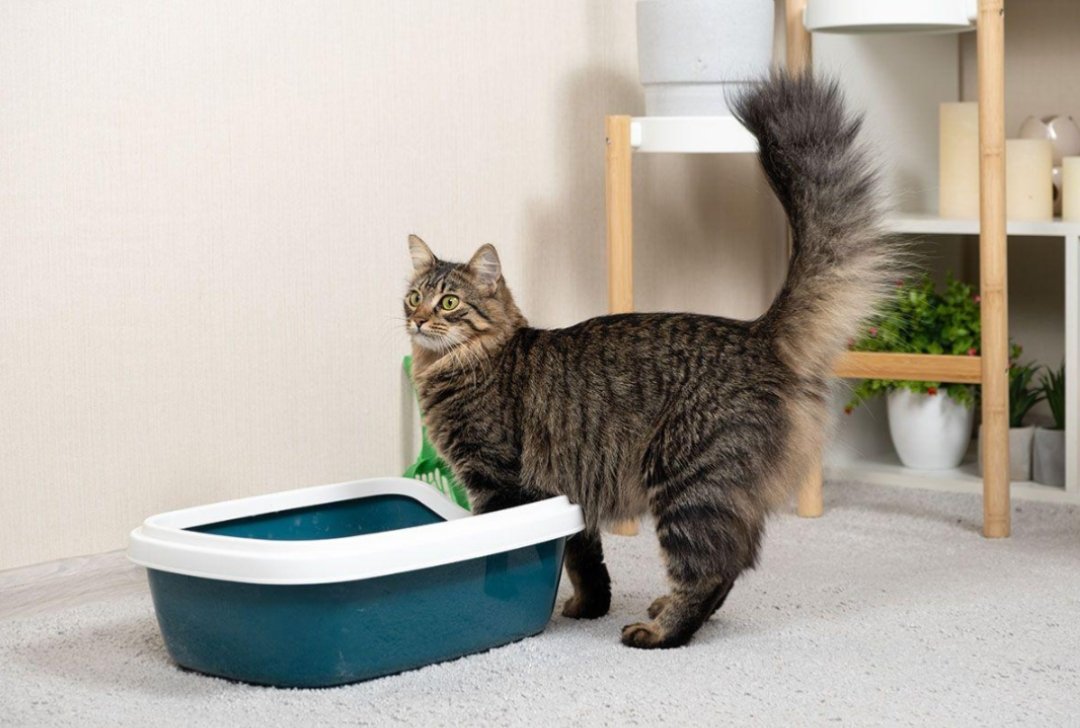
Before You Blame the Litter Box, Find the Real Clue
When you notice your cat not using the litter box, it is tempting to immediately change the litter or buy a new box. But first, look at the pattern. Is your cat showing discomfort, did something change around the box, or did something change at home? That small clue can tell you where to look first.
If your cat is repeatedly going to the litter box, straining, crying, showing obvious discomfort, or producing very little or no urine, do not assume it is simply a behavior problem. A sudden change can sometimes be connected to a health issue, so health should come first. If your cat seems unable to urinate or is clearly distressed, contact a vet promptly.
Think back to the last change you made. Did you switch the litter, move the box, buy a different box, change the litter depth, or let the box stay dirty longer than usual? If the timing matches, start there. Keep the box easy to reach, reasonably clean, and in a place where your cat can use it without feeling trapped or disturbed.
If the litter box stayed the same, look at what changed around your cat. A new pet, new person, baby, moving house, construction, unusual noise, or a change in daily routine can all be useful clues. You do not need to guess the exact cause right away—just notice what was different around the time the problem started.
If your cat pees in the litter box but poops somewhere else, do not automatically treat it as the same problem. Things such as painful bowel movements, constipation, litter preferences, box size, or the box location may need a closer look. We will break down this specific situation in the next part.
The goal is not to change everything at once. Start with the clue that best matches what you are seeing. A sudden behavior change is often easier to understand when you look at what happened before it, rather than assuming your cat is simply refusing the litter box.
Next: Why won’t my cat poop in the litter box but will pee?Why Won’t My Cat Poop in the Litter Box but Will Pee?
If your cat still pees in the litter box but poops somewhere else, it can be confusing. After all, she knows where the box is and is still using it. The important thing is not to assume she is simply being stubborn. The difference between where she pees and where she poops is itself a useful clue.
Look at what happens when she tries to poop
Start by noticing the basics: Is the stool hard or unusually small? Does your cat strain or seem uncomfortable? Does she poop right beside the box, or choose one particular place somewhere else? These details can help you decide whether to investigate health, comfort, litter-box setup, or location first.
Three Clues Worth Checking First
Could Pooping Be Uncomfortable?
Constipation, hard stool, or painful bowel movements can sometimes affect litter-box habits. Watch how your cat acts before, during, and after pooping.
Does the Box Work for Pee but Not Poop?
Check whether the box gives your cat enough room to turn, squat, and leave comfortably, and whether the litter or location could be bothering her.
Could There Be a Bad Association?
If using the box was once associated with pain, fear, or an unpleasant experience, your cat may later prefer another place for bowel movements.
What Does Your Cat’s Pattern Suggest?
Choose the situation that sounds closest to what you are seeing. This is not a diagnosis—it simply helps you decide which clue to investigate first.
This pattern can point toward constipation or painful defecation. If your cat repeatedly strains, produces little or no stool, vomits, becomes very lethargic, or seems clearly unwell, do not rely only on changing the litter box. Contact your veterinarian promptly.
This is a useful setup clue. Your cat may still be choosing the general bathroom area but finding something about the box uncomfortable. Look at box size, entry, cleanliness, litter texture, and easy access. We will go deeper into the litter-box setup later.
A repeated location can be a clue that your cat has developed a surface or location preference. Notice whether the area is quieter, more private, or has a texture your cat seems to prefer. The pattern itself can tell you what to investigate next.
A sudden change deserves a closer look. Check your cat's stool, appetite, activity, urination, and overall comfort. Medical problems can sometimes show up as litter-box changes, so avoid assuming the behavior is simply stubbornness or bad behavior.
🩺 When it is time to call the vet
Get veterinary advice if the problem is sudden, persistent, or accompanied by repeated straining, obvious pain, vomiting, unusual tiredness, reduced appetite, blood in the stool, or difficulty passing stool. And if your cat is repeatedly trying to urinate but producing little or no urine, that is a different and potentially urgent problem that should be addressed promptly.
So, what if your cat seems comfortable and her stool looks normal? Then the next question becomes much more practical: is the litter box actually comfortable enough for her to use for both pee and poop? In the next part, we’ll go through the box size, litter, cleanliness, location, access, and other setup details that can quietly make a difference.
Cat Not Using the Litter Box After Spay or Giving Birth? Here’s What to Check
If your cat is not using the litter box soon after a spay, surgery, or giving birth, it can be tempting to blame the procedure or assume she is simply being difficult. But the timing is actually a clue. Pain, reduced mobility, stress, a difficult-to-reach box, or a medical problem can all change elimination habits. The goal is to figure out what changed rather than changing everything at once.
Cat Not Using the Litter Box After Spay?
After a spay, your cat may be recovering from anesthesia and may be less active or uncomfortable for a while. A litter box that was easy to use before surgery can suddenly feel difficult if she has to climb, jump, or squeeze through a small opening.
- Watch how she moves: hesitation, stiffness, or avoiding jumps can make box access harder.
- Make entry easy: a low-entry box can be more comfortable during recovery.
- Keep the area calm: place the box somewhere quiet and easy to reach.
- Notice pee vs poop: if she urinates normally but avoids defecating, the clue may be discomfort, constipation, or the box itself.
- Don't ignore a sudden change: persistent or worsening problems deserve veterinary attention.
Cat Not Using the Litter Box After Giving Birth?
A mother cat may behave differently after having kittens. She may be reluctant to move far away from them, especially if the litter box is in another room. At the same time, postpartum discomfort or a digestive or urinary problem can also affect normal elimination.
- Think about distance: is the litter box too far from where she is caring for her kittens?
- Make access simple: she should be able to reach the box without navigating stairs or obstacles.
- Keep food and water separate: the box should be convenient without placing it directly beside feeding areas.
- Look at the pattern: peeing normally but avoiding poop gives you a different clue than avoiding both.
- Watch her overall condition: obvious pain, weakness, vomiting, or worsening behavior is not something to simply blame on motherhood.
What Changed After the Big Event?
Tap the situation that sounds closest to your cat. The goal isn't to diagnose her at home — it's to identify the most useful clue before deciding what to change.
If your cat appears painful, repeatedly strains, cries while eliminating, becomes unusually weak, vomits, or seems to be getting worse, don't assume the litter box is the whole problem. A sudden elimination change can have a medical cause and should be discussed with a veterinarian.
During recovery, even a small obstacle can matter. Try a low-entry box in a quiet, easily accessible location. Avoid making your recovering cat climb stairs or jump into a high-sided box if she is moving cautiously.
If she urinates in the box but repeatedly defecates elsewhere, look at stool comfort, constipation, litter texture, box size, cleanliness, and location. This is why the pee-versus-poop clue we discussed earlier can be so useful.
If a mother cat is reluctant to leave her kittens, access may be part of the problem. Make a litter box easy to reach from the nesting area while keeping elimination separate from food and water. Avoid forcing her away from the kittens just to use the box.
Cornell University College of Veterinary Medicine explains that litter-box problems can involve medical issues, box/litter aversion, location, accessibility, or stress. Their guide is useful if you want a deeper veterinary explanation of house-soiling.
Don’t Just Blame the Spay or Birth
The timing may be important, but it doesn't automatically mean the procedure or giving birth caused the litter-box problem. If your cat has a sudden or persistent change, especially with other symptoms, it's safer to look for the underlying cause rather than repeatedly changing litter or moving the box.
- Repeated straining to urinate
- Little or no urine coming out
- Crying or obvious pain
- Vomiting or marked weakness
- Major change in appetite or drinking
- Severe straining or difficulty passing stool
- Condition getting worse instead of better
- Any behavior that seems seriously abnormal after surgery or birth
It's “What became different just before she stopped using it?”
Is Your Litter Box Setup Actually Cat-Friendly?
Sometimes a cat not using the litter box isn't rejecting the box itself. The problem can be something simple about its size, cleanliness, litter or location. Give your setup this quick check before changing everything.
Clean Enough?
Scoop regularly and don't let strong waste smells build up.
Big Enough?
Your cat should be able to enter, turn around and position comfortably.
Easy to Enter?
Make access easier for kittens, older cats or cats recovering from surgery.
Comfortable Litter?
Watch for strong fragrance, disliked texture or a sudden litter change.
Right Location?
Choose a quiet, private place that's easy for your cat to reach.
Safe From Other Cats?
Your cat shouldn't feel trapped or blocked from reaching the box.
60-Second Litter Box Check
Tick the things that are already true for your cat.
What to Do Today: A Simple Litter Box Reset
If your cat is not using the litter box, don't change everything at once. A calm, simple reset can help you remove obvious problems while giving your cat a predictable place to eliminate again.
Clean the Current Box
Remove waste and keep the box clean. If the box itself holds a strong smell, a thorough clean may be worthwhile.
Make Access Easy
Keep the box somewhere quiet and easy to reach. Avoid unnecessary stairs, obstacles or difficult entry.
Keep Familiar Litter
If the previous litter was working, avoid a sudden switch while you're trying to understand the problem.
Add Another Box if Needed
An extra box can help when access is difficult or when several cats share the home.
Give Your Cat Some Peace
Keep the area predictable and don't repeatedly disturb, move or test the box while your cat is trying to use it.
Watch Pee and Poop Separately
Notice whether your cat avoids both or only one. That small detail can point you toward the next step.
🚫 One thing not to do
Don't punish, shout at or force your cat into the litter box. This can make the area more stressful and may make litter-box avoidance harder to solve.
✅ Your Litter Box Reset Checklist
Tick each step you've completed. Your progress updates automatically.
Cat Not Using the Litter Box? Your Questions Answered
Still wondering why your cat is not using the litter box? Here are five common questions with short, practical answers.
It can be caused by a medical problem, stress, or the litter-box setup. Check cleanliness, litter, size and location, but a sudden change should also be discussed with a veterinarian.
Think about what changed recently—new litter, a moved box, stress, another pet, or a health problem. Sudden litter-box changes shouldn't automatically be treated as a behavior problem.
This can point toward painful bowel movements, constipation, litter preference, box size, cleanliness, or location. Notice whether the stool is hard, difficult to pass, or different from normal.
Start with a clean, easy-to-access box in a quiet location. Keep familiar litter if it was working, avoid punishment, and watch whether your cat is avoiding pee, poop, or both.
Contact a vet when the change is sudden, persistent, or comes with pain, straining, blood, vomiting, appetite changes, or unusual behavior. Repeated attempts to urinate with little or no urine require urgent veterinary attention.
⚠️ One warning to remember
If your cat repeatedly strains to urinate and produces little or no urine, don't wait to see if the litter-box problem resolves on its own. Seek veterinary care promptly.
Find the clue, fix the cause, and give your cat a comfortable way back.