
How Often to Change Cat Litter? The Right Schedule for Your Cat
If you're wondering how often to change cat litter, the answer isn't simply “every 7 days.” Your cat, the type of litter, how often the box is used, and how well it's scooped can all change the right cleaning schedule.
Start with daily scooping — then watch the litter.
Scoop waste every day and remove anything you notice sooner. A complete litter change is usually needed when the litter becomes noticeably dirty, damp, smelly, or difficult to keep clean.
But here's what most simple litter guides leave out: the calendar isn't always the best way to decide when your cat's litter actually needs changing.
So how do you know when your cat's box has reached that point?
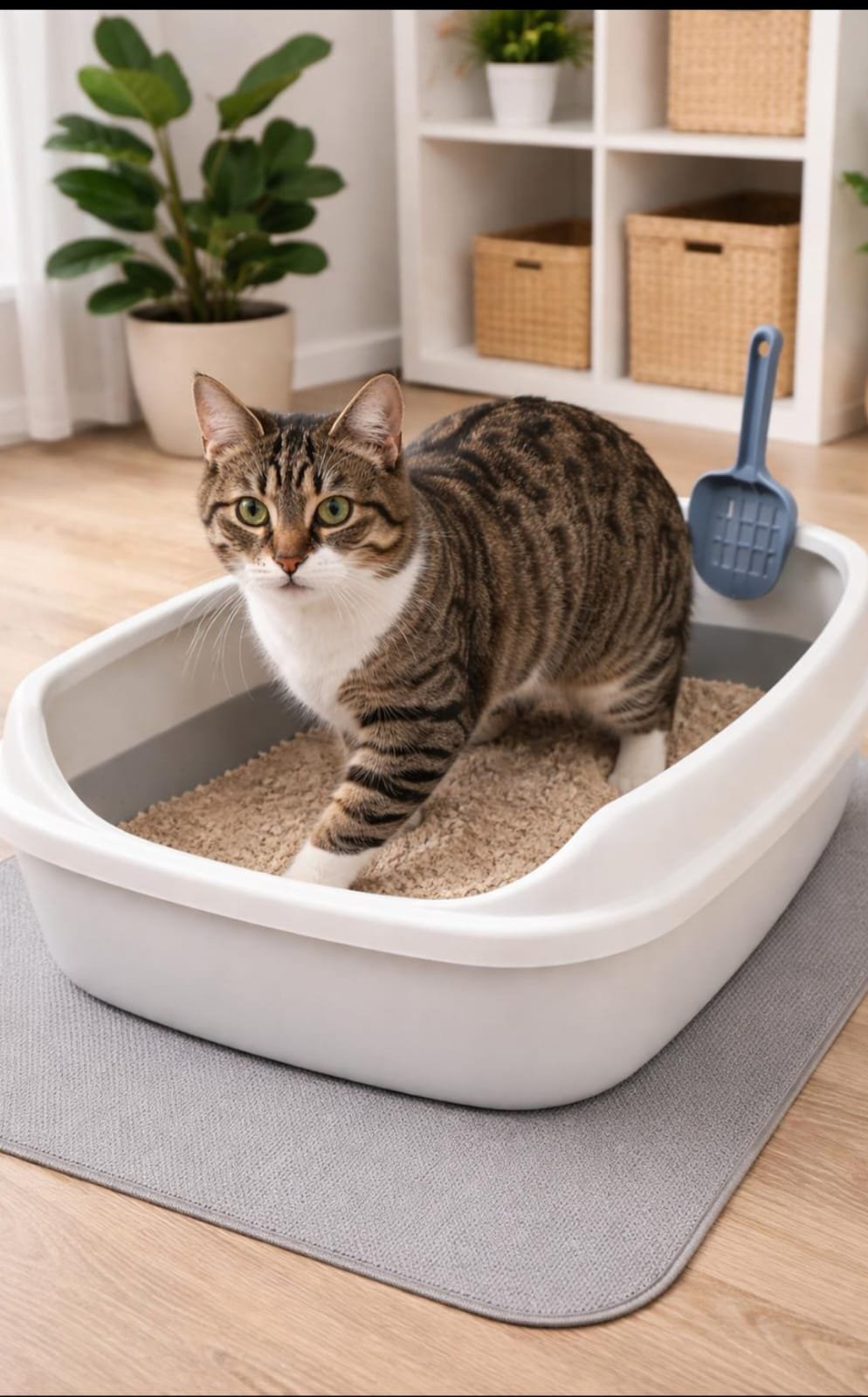
Don’t Change Cat Litter by the Calendar — Check What Your Cat’s Box Is Telling You
A regular routine is important, but the litter box itself can give you useful clues. Before you change everything, take a closer look at these five signs.
Tap each sign you have noticed in your cat’s litter box. The card will open with a short explanation of what it can mean and what you should pay attention to.
5 Signs Your Litter Box May Need Extra Attention
You don't need to wait for all five signs. Even one noticeable change can be a reason to inspect the box more carefully.
01 The smell comes back quickly Scooping helps, but the odor returns soon afterward. +
If the litter box starts smelling again soon after you've removed the waste, don't just cover the odor with more litter. Check whether used litter, moisture, or residue is still remaining underneath.
What to notice: Is the smell coming from one particular area, or from the whole box? That small detail can help you understand what needs attention.
02 The litter is wet or sticky underneath The surface looks fine, but moisture is hiding below. +
This is easy to miss because fresh litter on top can make the box look cleaner than it really is. Check the lower layer, especially around the places your cat uses most.
What to notice: Damp, wet, or sticky areas that remain after scooping may mean the box needs more attention than simply adding fresh litter.
03 Clumps are breaking apart Used litter is crumbling instead of lifting out cleanly. +
When urine clumps break apart during scooping, small pieces can fall back into the clean litter. Over time, this can make the litter harder to keep fresh.
What to notice: If you regularly have to scoop the same area again because the clump falls apart, check whether the litter underneath is becoming damp or heavily used.
04 Residue is sticking to the bottom or sides Used litter or urine residue is building up inside the box. +
Sticky buildup can remain even when the visible litter looks fresh. If residue is becoming noticeable on the bottom or sides, another layer of litter will not actually remove what is already stuck there.
What to notice: Look at the corners and bottom of the box during your next clean-out. Those areas can reveal problems that are easy to miss from above.
05 Your cat suddenly avoids the litter box A change in litter-box behavior should never be ignored. +
A dirty or unpleasant litter box can be one reason a cat avoids it. But sudden litter-box avoidance is not always a cleaning problem. Changes in behavior can have other causes too.
What to notice: If your cat suddenly changes its litter-box habits, don't assume that changing the litter alone will solve it. Pay attention to the overall pattern and consider veterinary advice when the change is sudden, persistent, or concerning.
The clue most people miss: look underneath
A litter box can look perfectly clean from the top while moisture, broken clumps, or residue are building underneath. So when you're deciding whether your cat's litter needs attention, don't only look at the surface—check the bottom, sides, and the areas your cat uses most.
Your Cat Litter Cleaning Routine: What to Do and When
Knowing how often to change cat litter becomes much easier when you follow a simple routine instead of watching the calendar alone. The goal is to keep used litter moving out, check the box regularly, and give it a proper refresh when it actually needs one.
Keep the Used Litter Moving Out
Make daily scooping the foundation of your routine. Remove urine clumps and poop rather than leaving used litter in the box until the next full cleaning.
Look Beyond the Top Layer
A quick check helps you notice whether the box is still easy to keep clean. Look around the areas your cat uses most, including the bottom and sides of the box.
Refresh the Box Instead of Hiding the Dirt
When the litter becomes difficult to manage, don't simply keep adding fresh litter on top. A proper refresh removes the buildup that new litter cannot fix.
Fresh Litter Doesn't Always Mean a Clean Box
You can have a fresh-smelling top layer while moisture, residue, or broken pieces of used litter are still sitting underneath. That's why litter box cleaning is about more than simply adding more litter.
Give the Box a Proper Fresh Start
When the litter box can no longer be kept clean with normal scooping, it's time for a full litter change. The basic process is simple, but each step matters.
Remove the used litter.
Remove leftover residue.
Remove cleaning residue.
Let the box dry properly.
Add clean, fresh litter.
Your Litter Routine in One Line
The routine is simple, but not every cat uses a litter box in the same way. The number of cats, boxes, litter type, and daily use can all change how quickly a box needs attention.
What Changes How Often You Need to Change Cat Litter?
There isn't one litter-changing schedule that works perfectly for every home. How often to change cat litter can depend on how many cats use the boxes, how many boxes you have, the type of litter, and how quickly the box gets used.
How Many Cats Use the Boxes?
More cats usually means more litter-box use. That can mean more waste, more moisture and a faster buildup of used litter.
How Many Litter Boxes Are Available?
The number of boxes changes how heavily each one is used. A common recommendation from cat-care organizations is one box per cat plus one extra.
What Type of Litter Are You Using?
Different litter types handle moisture and waste differently. Clumping litter, for example, can make removing used material easier when it forms firm clumps.
How Quickly Is the Box Getting Used?
One cat can still use a box heavily. If the same box is being used frequently, it may become difficult to keep fresh even when you follow a consistent daily scooping routine.
How Consistently Is the Box Maintained?
Regular scooping removes used litter before it sits in the box for too long. If waste and moisture are left behind, the box can become unpleasant much sooner.
More Use Usually Means More Attention
Instead of asking only “What day is it?”, look at how much the box is actually being used.
Do You Really Have to Change Cat Litter Every 7 Days?
Not necessarily. A seven-day schedule can be a useful reference in some routines, but it is not a universal rule for every cat and every litter box. Your cat's number of boxes, litter type, usage and cleaning routine can all change how quickly a box needs a full refresh.
Don't Let the Calendar Make the Decision for You
Use the calendar as a reminder to check the box—not as the only reason to change it. A clean, manageable box is the real goal.
Even with the right routine, some litter boxes seem to get dirty or smelly unusually fast. When that happens, the next step is to look at what may be causing the problem.
Why Does Cat Litter Get Dirty or Smelly So Fast?
If you're wondering how often to change cat litter, it also helps to understand why a litter box can start looking dirty or smelling bad sooner than expected. Sometimes the problem isn't simply that the litter needs replacing.
The Box Is Getting Heavy Use
A litter box that gets used frequently will naturally collect waste and moisture faster. If several cats are using the same box, buildup can happen even sooner. More use simply means the box needs more attention.
Waste Is Being Left Behind
Small pieces of broken clumps or missed waste can remain after scooping. Over time, that leftover material can contribute to odor, residue and a dirtier-looking litter box.
Moisture Is Reaching the Bottom
The surface may look perfectly clean while moisture is building underneath. Check the lower layer and the areas your cat uses most. Damp litter underneath is a sign that the box may need a proper refresh rather than simply another scoop.
Old Residue Is Holding Odor
Adding fresh litter doesn't remove residue stuck to the bottom or sides of the box. If an unpleasant smell returns quickly after scooping, the litter box itself may need cleaning.
The Litter Isn't Working Well for Your Setup
Different litter types handle moisture and waste differently. A litter that forms firm, easy-to-remove clumps may make daily cleaning easier, while another type may require a different routine. Your cat's comfort and preference matter too.
What Is Your Litter Box Trying to Tell You?
These simple clues can help you work out why the box is getting dirty or smelly faster than expected.
| What You Notice | What It May Mean | What to Check |
|---|---|---|
| Smell returns quickly | Old residue or moisture may still be present. | Check the bottom, sides and corners of the box. |
| Litter is wet underneath | Moisture may be reaching the lower layer before you notice it. | Look beneath the top layer, especially in the most-used areas. |
| Clumps break apart while scooping | Used litter may be getting left behind in the box. | Scoop carefully and check for small pieces remaining after cleaning. |
| Fresh litter starts smelling quickly | The litter may not be the only source of the odor. | Check whether the box has old residue or buildup. |
| The box gets dirty unusually fast | Heavy use, the setup or the cleaning routine may need attention. | Consider the number of cats, number of boxes and how consistently the box is maintained. |
Tip: Don't judge the box only by its top layer. The bottom and sides can reveal problems that aren't obvious from the surface.
Don't Just Change the Litter More Often
If your litter box keeps becoming dirty or smelly quickly, replacing the litter more often may only hide the real problem for a short time. First look for heavy use, leftover waste, moisture or old residue. Once you know the cause, it becomes much easier to choose the right cleaning routine for your cat.
Once you've worked out why the box is getting dirty so quickly, the next step is knowing how to properly reset the litter box when a full change is actually needed.
Signs Your Box May Need a Full Reset
Your litter box may need more than everyday scooping when odor, moisture, residue, or buildup becomes difficult to manage.
Is Your Litter Box Ready for a Complete Clean?
Look for these practical signs before deciding whether the box needs a deeper clean and fresh start.
Odor Returns Quickly
The box starts smelling again soon after regular scooping, even though visible waste has been removed.
Damp or Sticky Litter
The lower layer of litter feels damp or sticky instead of remaining clean and dry.
Residue Stuck to the Box
Used litter or residue remains attached to the bottom, corners, or sides of the box.
Clumps Keep Breaking Apart
Clumps repeatedly break apart and leave small pieces behind that are difficult to remove through normal scooping.
Fresh Litter Smells Quickly
Newly added litter develops an unusual odor much sooner than expected.
Your Normal Routine Isn't Enough
The box has become increasingly difficult to keep clean with your usual scooping and maintenance routine.
Full Litter Box Reset Checklist
Tap each box when you notice that sign. Your progress will update automatically.
You have checked all six signs. If several of these signs are present, consider giving the litter box a complete clean and reset.
What the Litter Box Is Telling You
Tap any card to see what the sign may mean and what you can do next.
Odor Returns Quickly
What It May MeanResidue or moisture may be trapped inside the box.
Empty and clean the entire box instead of only replacing the litter.
Damp Litter Underneath
What It May MeanMoisture has reached the lower layer of the litter.
Remove the old litter, clean the box thoroughly and allow it to dry completely before refilling.
Clumps Stick to the Bottom
What It May MeanBuildup has developed on the surface of the box.
Clean and rinse the affected area thoroughly rather than covering the buildup with fresh litter.
Fresh Litter Smells Quickly
What It May MeanThe box itself may still be holding odor.
Give the box a complete clean rather than assuming the litter alone needs to be changed more often.
Box Is Difficult to Keep Clean
What It May MeanYour current scooping and maintenance routine may no longer be enough.
Review your regular scooping routine and reset the entire box when buildup or odor becomes difficult to manage.
The Bottom Line
A full litter box reset isn't about following a strict calendar. It's about recognizing when the box itself needs more than everyday scooping. Remove the buildup, clean the box, let it dry completely, and start fresh. Then keep up with regular scooping so the box stays easier to maintain between full resets.
How to Keep Cat Litter Fresh Longer
Once you know how often to change cat litter, the next goal is making each change last without letting the box become dirty or unpleasant.
Scoop Daily, Not Just When It Smells
Remove urine clumps and solid waste regularly. Daily scooping helps remove used litter before moisture and odor have more time to spread through the remaining litter.
Don't Cover Odor With Fresh Litter
Adding fresh litter can help maintain litter depth, but it should not replace a full change when the litter underneath is damp, smelly, or leaving residue.
Give the Box Enough Litter
Too little litter can allow urine to reach the bottom more easily. Follow the manufacturer's instructions and adjust the depth based on how your cat uses the box.
Make Your Setup Work for Your Cats
A heavily used litter box can become dirty faster. If several cats share too few boxes, waste and moisture can build up more quickly in each box.
Know When a Top-Up Is Enough
Check each situation below. Your progress will update automatically as you mark the boxes.
Litter Freshness Checklist
Tap each box that matches your current litter situation.
You have checked all six situations. Use the signs you noticed to decide whether a simple top-up is enough or the litter box needs a full change and reset.
Top Up or Full Change?
Tap each card to see what the situation may mean and what action makes sense next.
Litter Level Is Getting Low
Top Up?Yes, if the remaining litter is still clean and manageable.
Add fresh litter when needed while keeping the box at an appropriate depth.
Used Clumps Remove Easily
Top Up?Yes, when needed, provided the remaining litter is still clean.
Continue regular scooping and add fresh litter when the level becomes low.
Odor Remains After Scooping
Full Change?A persistent odor can mean the box itself needs inspection and cleaning.
Don't simply cover the odor with more litter. Inspect the box for residue, dampness and buildup.
Litter Feels Damp Underneath
Full Change?Dampness underneath is a sign that simply topping up may not be enough.
Remove the old litter and inspect the bottom of the box before adding fresh litter.
Clumps Keep Breaking Apart
InspectRepeatedly broken clumps can leave small pieces behind and make the box harder to maintain.
Check whether residue is building up and consider a complete reset if normal scooping is no longer enough.
Residue Is Sticking to the Bottom
Full Change?Persistent buildup means the box itself needs attention rather than another top-up.
Empty the box, clean away the buildup, rinse it well, dry it completely and refill with fresh litter.
The Simple Rule to Remember
Scoop regularly → top up when needed → inspect the litter → fully change it when the litter or box is no longer staying clean.
Frequently Asked Questions
Still wondering how often to change cat litter? These quick answers cover the most common questions about changing, cleaning, and maintaining a cat's litter box.
How often should you completely change cat litter?
There isn't one exact schedule that works for every cat. It depends on the number of cats, number of litter boxes, type of litter, and how quickly the box becomes dirty or develops odor. Scoop regularly and do a complete change when the litter is no longer staying clean, dry, and comfortable to use.
How often should you scoop a cat litter box?
Scooping should be part of your regular daily routine. Removing urine clumps and solid waste regularly helps prevent buildup and keeps the remaining litter fresher. In homes with multiple cats, you may need to check the boxes more frequently.
Can I just add new litter instead of changing it?
You can add fresh litter when the level becomes low, as long as the remaining litter is still clean and usable. However, adding new litter should not replace a complete change when you notice persistent odor, dampness, stuck residue, or litter that is becoming difficult to keep clean.
How often should you change clumping cat litter?
Clumping litter does not have one universal replacement schedule. Regular scooping removes used clumps, while the remaining litter can stay usable for longer. A complete change is needed when the litter or box starts holding odor, becomes damp, develops residue, or no longer stays clean with your normal routine.
Why does my cat litter smell bad so quickly?
Fast-returning odor can be caused by heavy use, missed waste, moisture reaching the bottom, broken clumps, or old residue on the box. If scooping regularly doesn't solve the smell, empty the box completely and check the bottom and sides for buildup.
How do I know when my cat litter needs to be changed?
Look at the condition of the litter rather than relying only on a calendar. A strong or returning odor, damp litter underneath, stuck residue, broken clumps, or a box that is becoming difficult to keep clean are useful signs that it may be time for a complete reset.