
How Often Should I Feed My Cat?
A Simple Feeding Schedule by Age, Food Type & Daily Routine
How Often Should I Feed My Cat? The Quick Answer
Wondering how often should I feed my cat? There isn't one schedule that works perfectly for every cat. Age, food type, activity level, and your cat's individual needs all play a part in deciding how often meals should be offered.
For many healthy adult cats, two regular meals a day can be a simple starting point. Kittens often need more frequent meals, while some adult or senior cats may do better with a different routine based on their needs.
It depends on 4 things:
The goal isn't simply to feed more often. A good routine should make meals predictable while keeping your cat's total daily food appropriate for their age, lifestyle, and needs.
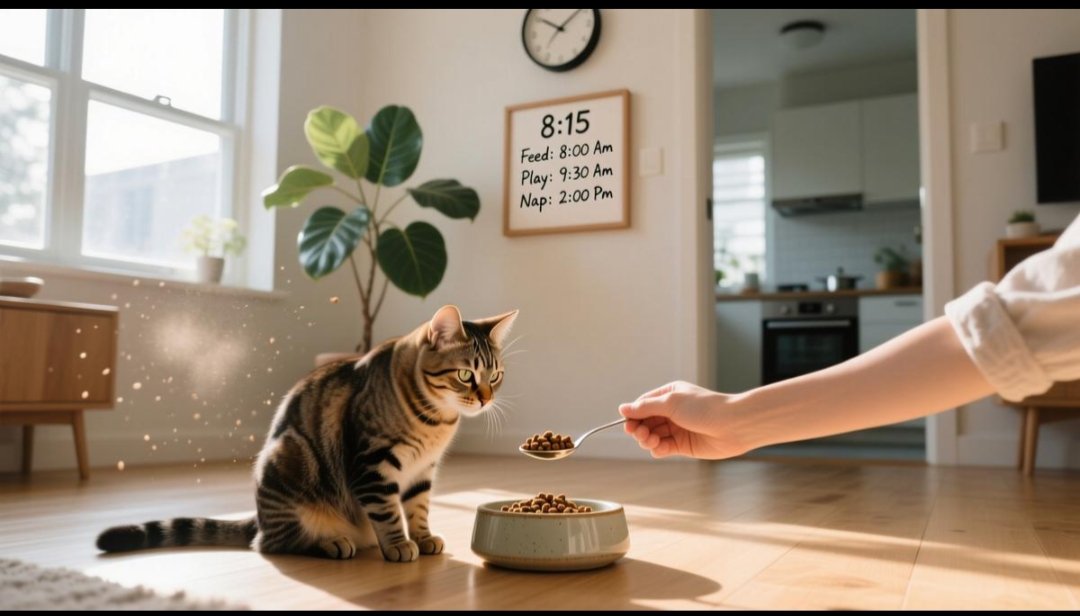
How Many Times a Day Should I Feed My Cat?
If you're wondering how often should I feed my cat a day, the answer depends on your cat's age, routine, appetite, and overall needs. For a healthy adult cat, feeding two measured meals a day is a practical starting point for many households.
A simple starting routine for adult cats
Many healthy adult cats can do well with a morning meal and an evening meal. Keeping the timing fairly consistent can also make it easier to notice changes in appetite or eating habits.
How many meals are right for different cats?
There is no need to force every cat into exactly the same feeding pattern. A kitten has different nutritional needs from a healthy adult, and an older cat may sometimes benefit from smaller meals spread throughout the day.
The table below gives you a simple starting point. It is a general guide rather than a strict rule, because your cat's ideal routine can also depend on body condition, activity level, food type, and any individual dietary needs.
| Cat's life stage | Common starting routine | What to keep in mind |
|---|---|---|
| Young kittens | Several smaller meals | Growing kittens generally need food offered more frequently than adult cats. |
| Adult cats | 2 meals a day | Morning and evening meals can provide a simple, predictable routine for many healthy adults. |
| Senior cats | Often 2 meals | Some older cats may prefer smaller, more frequent meals, especially if a regular meal feels too large. |
What does a good daily routine look like?
For an adult cat, a simple routine could be a meal in the morning and another in the evening. The exact clock time matters less than having a pattern that fits your household and that you can maintain consistently.
If your cat seems hungry between meals, don't automatically keep adding food. First consider the total amount of food offered during the whole day. Splitting the same daily amount into smaller meals can sometimes be more useful than increasing the overall amount.
Try to keep meals around similar times each day. A consistent routine can make feeding easier for you and help your cat know when to expect food.
One important point: meal frequency and food quantity are not the same thing. Feeding your cat more meals does not necessarily mean giving more food. The daily amount should still be appropriate for your cat.
How Often Should I Feed My Cat by Age?
Your cat's feeding routine does not stay exactly the same throughout life. A growing kitten has different needs from an adult cat, while an older cat may need a routine that better suits changes in appetite, activity, or health. So if you're asking how often should I feed my cat, age is one of the best places to start.
| Cat's age | General routine | What to know |
|---|---|---|
| Young kittens | 3–4 smaller meals | Growing kittens have small stomachs and generally do better with smaller meals spread across the day. |
| 6–12 months | Usually 2 meals | As a kitten gets closer to adulthood, the feeding routine can gradually move toward a twice-daily schedule. |
| Adult cats | At least 2 meals | A consistent morning-and-evening routine is a practical starting point for many healthy adult cats. |
| Senior cats | Often 2–3 smaller meals | Some older cats may do better with smaller meals, depending on appetite, body condition, and individual needs. |
How often should I feed my kitten?
Kittens are growing quickly, but their stomachs are still small. That is why three to four smaller meals a day can be a useful starting routine for many growing kittens rather than putting all of their daily food into one or two large meals.
As your kitten gets older, the number of meals can gradually change. Around six months, many kittens can begin moving toward a twice-daily routine, while their total daily food still needs to support healthy growth.
How often should I feed my adult cat?
For many healthy adult cats, at least two meals a day is a simple and practical routine. A morning meal followed by an evening meal can make feeding predictable without making your day revolve around the food bowl.
Some adult cats prefer smaller meals spread across the day. That can work too, as long as the total daily amount stays measured and appropriate for the cat rather than increasing simply because meals are more frequent.
What about senior cats?
Older cats do not automatically need a completely different feeding schedule. Many can continue with two meals a day, while some may be more comfortable with smaller meals offered more frequently.
The right routine becomes more individual as a cat ages. Changes in appetite, weight, dental comfort, digestion, activity, or an existing health condition can all affect how meals should be offered.
Two cats of the same age can still need different feeding routines. Your cat's body condition, activity level, food type, appetite, and overall health should also be considered. If your cat has a medical condition or a noticeable change in eating habits, ask your veterinarian before making major changes to the feeding routine.
Helpful veterinary references:
Feeding frequency guidance from VCA Animal Hospitals and life-stage feeding guidance from PetSafe .
How Often Should I Feed My Cat Wet Food?
Wet food can be a regular part of your cat's daily meals. For many healthy adult cats, it works well when the day's food is divided into two or more meals. The best routine depends on your cat's age, appetite, lifestyle, and the amount of food they need each day.
A simple place to start
For an adult cat, morning and evening meals can be an easy, predictable routine. If smaller meals suit your cat better, the same daily amount can be divided into three or more portions.
How can wet food fit into a daily routine?
There is no single schedule that every cat needs to follow. Some cats are happy eating two meals, while others naturally prefer smaller portions throughout the day. What matters most is creating a routine that is practical for you and appropriate for your cat.
If you offer wet food more than once a day, think of those meals as parts of the same daily allowance, rather than separate opportunities to add more food.
Morning + evening
A straightforward option for many adult cats. The daily amount can be divided between two regular meals.
Three smaller meals
Useful when a cat prefers smaller portions or does not seem comfortable with larger meals.
Smaller portions
The daily allowance can be split into smaller servings without increasing the total amount your cat receives.
Simple wet-food feeding examples
| Daily routine | How it could look | What matters |
|---|---|---|
| 2 meals | Morning + evening | Divide the appropriate daily amount between the two meals. |
| 3 meals | Morning + afternoon + evening | Smaller portions can work well when a cat prefers eating little and often. |
| Several small meals | Multiple measured portions | Keep track of the total food offered throughout the day. |
Feeding your cat wet food three times instead of twice does not automatically mean they need three full servings. The important thing is the total daily amount. That amount can then be divided into meals that suit your cat's routine.
Keep wet food fresh
Wet food should not be treated like dry kibble that can simply sit in the bowl all day. Once served, follow the storage and serving guidance on the food's packaging, and refrigerate or discard leftovers as directed. Keeping the bowl clean and serving fresh portions can also make meals more appealing.
A good feeding routine should feel predictable without becoming unnecessarily complicated. If your cat is maintaining a healthy body condition, eating normally, and comfortable with the routine, consistency is often more useful than constantly changing meal times.
Helpful reference:
For additional guidance on feline feeding frequency and meal routines, see VCA Animal Hospitals .
Dry Food Feeding: What Works Best for Your Cat?
Dry food can be convenient, easy to measure, and simple to fit into a busy household. The tricky part is that kibble is also very easy to over-serve. A good routine is less about constantly filling the bowl and more about knowing how much food your cat receives across the whole day.
A practical approach
For many cats, dry food works well when the day's portion is measured first and then divided into regular meals. This makes it easier to keep feeding consistent without accidentally adding extra food.
Start with the daily amount, not the bowl
One of the simplest habits you can build is to measure the food before the day begins. Once you know the amount your cat should receive, you can divide it between meals that fit your schedule.
This matters because adding “just a little more” at every meal can quietly turn into a lot more food over an entire day. The goal is to make the routine predictable while keeping portions under control.
Filling the bowl again
If you keep topping up the bowl whenever it looks empty, it can become difficult to know how much your cat has actually eaten.
Measure first
Set aside the day's planned amount and divide it into meals. This gives you a much clearer picture of your cat's intake.
What should you do if your cat...
Your cat's eating style can help you choose a routine that is easier to maintain.
Eats everything very quickly
Avoid repeatedly adding food just because the bowl is empty. Consider dividing the measured daily amount into smaller meals instead.
Prefers to nibble throughout the day
A measured daily portion can be offered in smaller servings, provided you keep track of the total amount rather than continually topping up the bowl.
Is gaining more weight than expected
Don't solve the problem simply by changing meal frequency. Review the total daily amount, treats, activity level, and your cat's overall feeding routine.
Simple ways to organise dry food
| Routine | Example | Best practice |
|---|---|---|
| 2 meals | Morning + evening | Divide the measured daily amount between the two meals. |
| 3 meals | Morning + afternoon + evening | Use smaller portions while keeping the same daily total. |
| Small servings | Several measured portions | Keep track of the full day's amount so extra servings do not quietly add up. |
Don't forget the water bowl
Cats eating dry food should always have access to fresh, clean drinking water. Keep water available throughout the day and place it somewhere your cat is comfortable using. Some cats also prefer their water away from the food bowl.
If you're deciding how often should I feed my cat dry food, start with a routine you can follow consistently. Two regular meals can be simple for many adult cats, while smaller measured meals may suit cats that prefer eating little and often. The right choice is the one that fits your cat without losing track of the total daily amount.
More feeding times do not mean more food. Whether your cat eats twice or several times during the day, the total amount should still be appropriate for their individual needs.
Can I Feed My Cat Wet and Dry Food Together?
Yes. Many cats can have both wet and dry food as part of their daily routine. The important part is not simply offering both foods, but making sure the total amount your cat eats throughout the day remains appropriate.
Quick Answer
Wet and dry food can be offered in separate meals or divided across the day. What matters most is the total daily amount, your cat's individual needs, and a routine you can follow consistently.
A Simple Way to Combine Wet and Dry Food
You do not have to serve both types of food at the same time. In fact, keeping them in separate meals can make it easier to manage portions and understand how much your cat is actually eating.
Wet Food in One or Two Meals
You can offer wet food in the morning, evening, or both depending on your cat's routine. Once opened, handle and store wet food properly rather than leaving it sitting out for long periods.
Measured Dry Food Between Meals
Instead of repeatedly filling the bowl, measure the amount intended for the day first. You can then divide that amount into smaller servings if your cat prefers to eat little and often.
They Do Not Need to Be Served Together
Wet and dry food can be part of the same daily plan without being in the same bowl. Separate meals can make the routine simpler and help you keep track of the total amount offered.
One Mistake to Avoid
Wet + dry does not mean double the food. If your cat has wet food as well as dry food, both need to fit into the day's overall food allowance. Adding a full portion of dry food on top of a full wet-food portion can provide more energy than your cat needs.
A Simple Daily Example
There is no single routine that every cat needs to follow. This is simply an example of how wet and dry food can be separated throughout the day while keeping the routine predictable.
The best routine is one that fits your cat rather than forcing every cat into the same schedule. Age, weight, activity level, appetite, food type, and individual needs can all affect how meals should be divided. So when deciding how often should I feed my cat wet food and dry food, think about the whole day's food plan—not just the number of meals.
How Often Should I Feed My Cat — And How Much?
Knowing how often to feed your cat is only half of the picture. The amount your cat receives across the entire day matters just as much. A good feeding routine brings both together: regular meals and an appropriate total daily amount.
Quick Answer
For many healthy adult cats, two regular meals a day can be a practical starting point. But there is no single portion that is right for every cat. The amount depends on factors such as age, weight, activity, body condition, food type, and individual needs.
Feeding More Often Does Not Mean Feeding More
This is one of the easiest things to misunderstand. If your cat needs a certain amount of food for the day, you can divide that amount into two meals or several smaller meals. Changing the number of meals does not automatically mean increasing the total amount of food.
How Often?
Meal frequency is about when food is offered. Many adult cats do well with regular meals, while some prefer smaller portions offered more frequently.
How Much?
The daily amount is the total food your cat receives over 24 hours. That amount should be divided between meals rather than treating every meal as a completely new allowance.
How to Work Out a Practical Feeding Routine
You do not need to guess every time you fill the bowl. Start with the feeding guidance for the food you are using, then consider your cat's individual situation. From there, create a routine that is easy to follow and easy to monitor.
Start With the Food Label
Check the package for feeding guidance and calorie information. Different foods can provide very different amounts of energy in similar-looking portions.
Consider Your Cat
Age, weight, activity level, body condition, appetite, and health can all affect how much food your cat actually needs.
Divide the Daily Amount
Once you have a reasonable daily amount, divide it between the meals that fit your cat's routine instead of adding a full portion every time the cat asks for food.
Watch and Adjust
Keep an eye on your cat's body condition, weight and eating habits. A feeding routine may need to change as your cat's needs change.
What If Your Cat Eats Both Wet and Dry Food?
If your cat eats both, remember that both types of food belong to the same daily feeding plan. Wet food and dry food should not automatically be treated as two separate full allowances. Dry food can also be more calorie-dense, so a small-looking portion may contain more energy than you expect.
A Full Bowl Is Not a Feeding Plan
Repeatedly topping up a bowl can make it difficult to know how much your cat has eaten during the day. This is especially important for cats that gain weight easily. Measure the day's food first and then divide it into the meals or portions you plan to offer.
Cornell Feline Health Center
Cornell explains that feeding amount and meal frequency depend on factors including a cat's age, health and individual needs. Their guide also discusses regular feeding routines and appropriate portions.
So, when you're asking how often should I feed my cat and how much, don't focus on meal frequency alone. The better approach is to look at the whole day's food, divide it into a consistent routine, and adjust it when your cat's needs or body condition change.
Frequently Asked Questions About Feeding Your Cat
Still wondering about your cat's feeding routine? These common questions cover meal frequency, kittens, dry food, portions, and creating a consistent daily routine.
How many times a day should I feed my cat?
For many healthy adult cats, two meals a day can be a practical starting point, such as one meal in the morning and another in the evening. Some cats may prefer smaller meals more often, so their routine can be adjusted according to appetite, activity, age, and individual needs.
How often should I feed my kitten?
Kittens generally need more frequent meals than adult cats because they are growing and have smaller stomachs. Younger kittens may do well with three or four smaller meals throughout the day. As they grow, the feeding routine can gradually move toward a typical adult schedule.
Is it okay to leave dry food out all day?
It can work for some cats, but measuring the total daily amount is important. Simply refilling the bowl whenever it looks empty can make it difficult to know how much your cat is actually eating and may contribute to overeating in cats that do not self-regulate well.
How do I know if I am feeding my cat the right amount?
Start with the food's feeding guidance and then consider your cat's age, body condition, activity level, and individual needs. If you use both wet and dry food, remember that both contribute to the day's total intake. Your cat's weight and body condition can help show whether the routine needs adjustment.
Can I feed my cat only once a day?
Although some adult cats may manage a once-daily routine, it is generally easier to maintain a predictable schedule with two or more appropriately sized meals. Smaller, regular meals may also suit cats that prefer eating little amounts at a time.
Does the time of day matter when feeding my cat?
A consistent routine can make feeding easier for both you and your cat. The exact clock time is usually less important than keeping meals predictable and appropriately spaced. Choose times that fit your daily routine and that you can maintain consistently.
One Simple Rule to Remember
A good feeding routine is not only about how many times your cat eats. The total daily amount, food type, age, activity, appetite, and individual needs all matter too.